
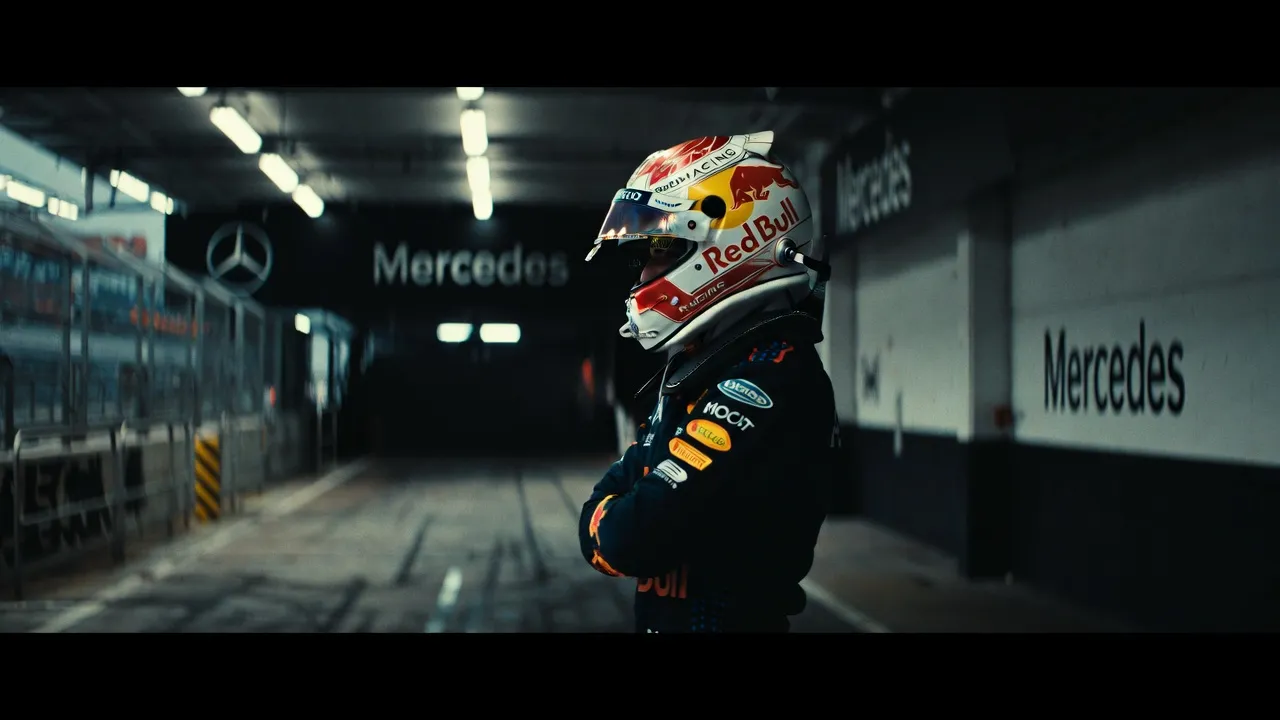
QUICK TAKE — Verstappen's 2026 Regulations Rant Has a $130M Subtext
Verstappen sits in P8 with 8 points after Shanghai. His exit clause requires P2 during the summer break. The regulations rant is real.
Verstappen sits in P8 with 8 points after Shanghai. His exit clause requires P2 during the summer break. The regulations rant is real.
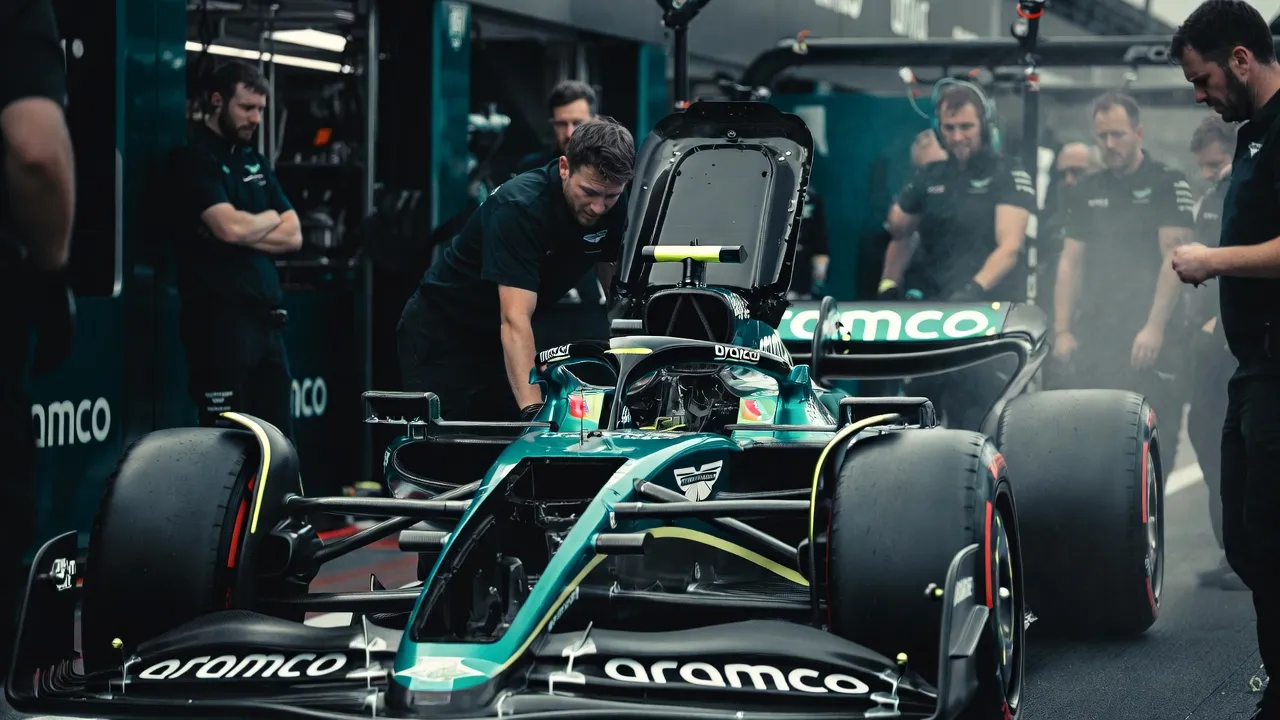
Honda's 2026 power unit can't complete a race distance. Alonso stops at 25 laps, Stroll at 15. We model what that costs Aston Martin in terms of prize money, Aramco sponsorship exposure, and the constructors' championship trajectory.
Discover why Cadillac’s $30M monthly burn rate is a strategic play to bypass the 2026 F1 cost cap and secure a $1.5B+ franchise valuation.
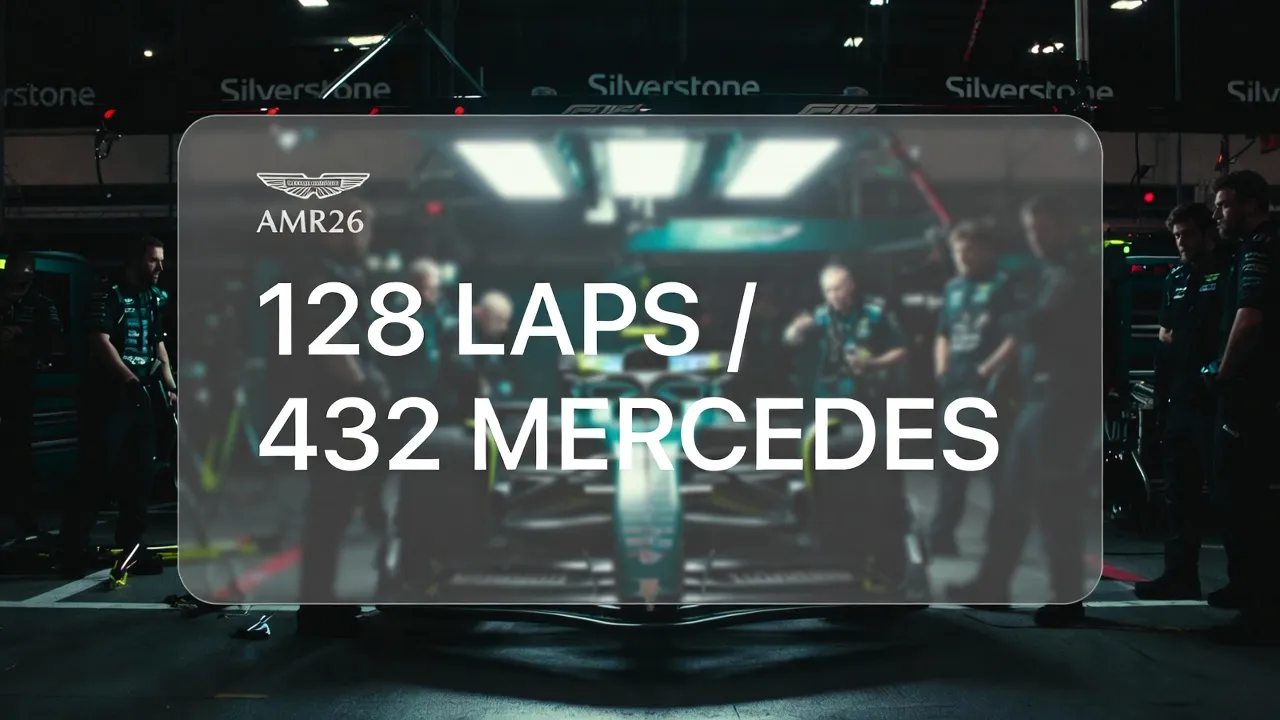
Honda's engine crisis forced Aston Martin to consider skipping the Melbourne race. Skipping would have cost $25M+. Racing non-competitively costs $50–80M in lost prize money and sponsor value.
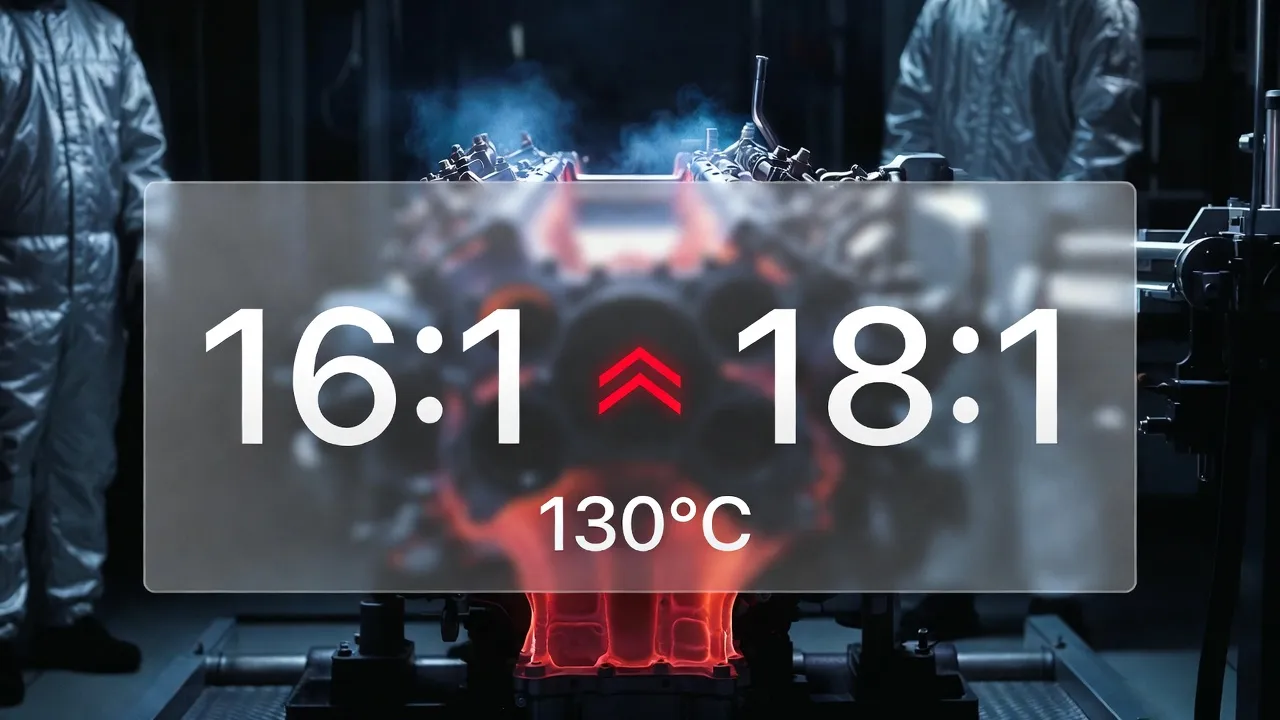
Mercedes built a legal compression ratio loophole worth 20-30 BHP. Four manufacturers voted it away in 3 weeks.
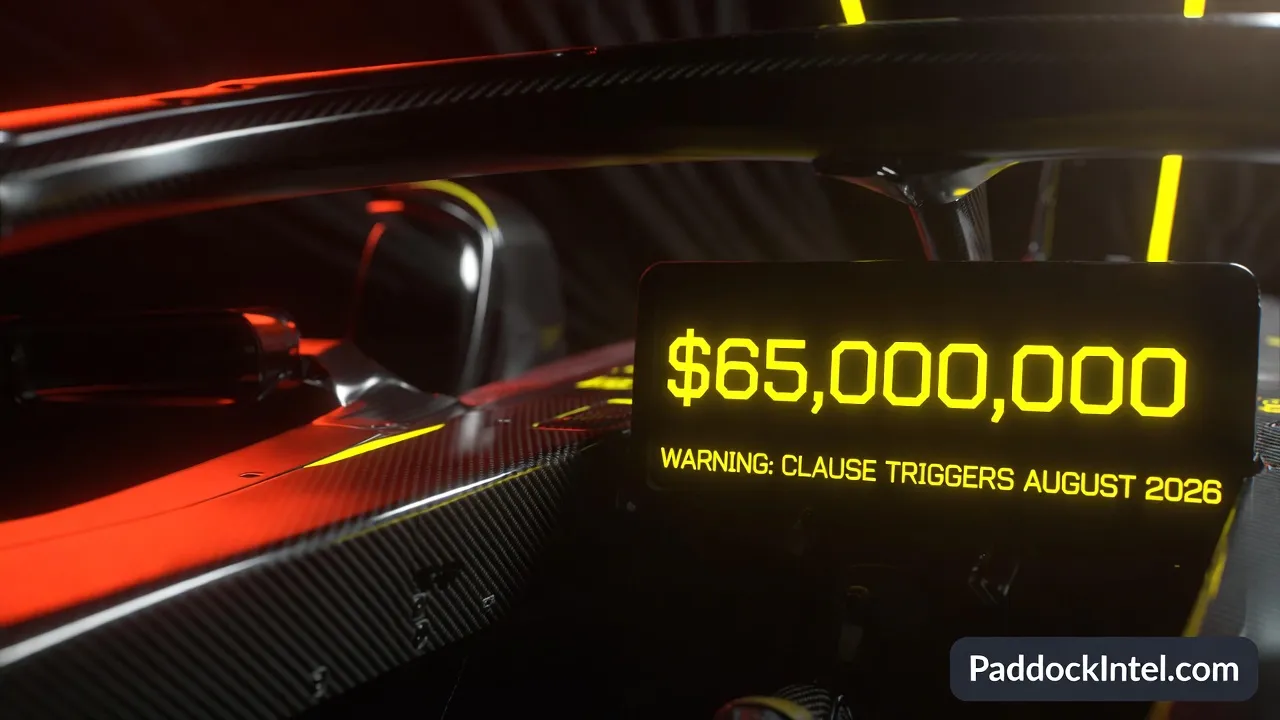
Verstappen earns $65M at Red Bull. But the number that terrifies the team isn't his salary, it's the performance exit clause that expires in August 2026.
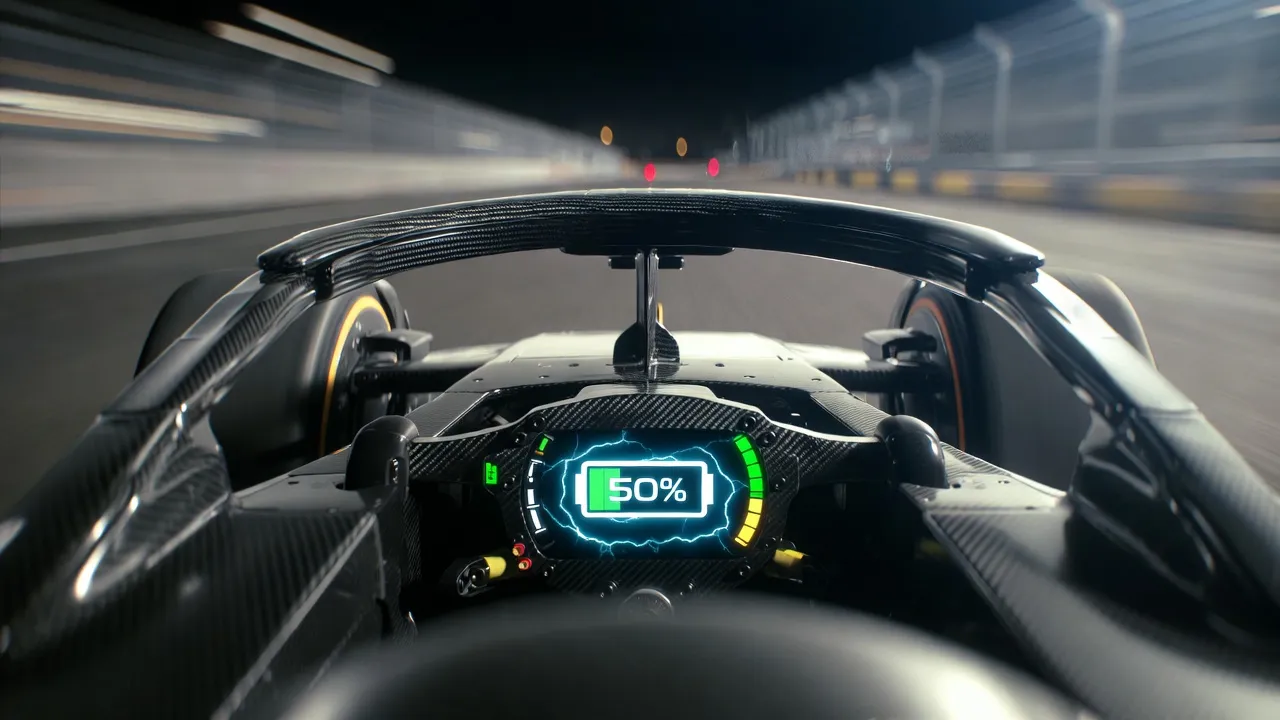
The four-time world champion hates the 2026 regulations. But his complaints aren't really about driving feel — they're the loudest symptom of a calculated business gamble the FIA made to attract Ford, Audi, and Cadillac into Formula 1.
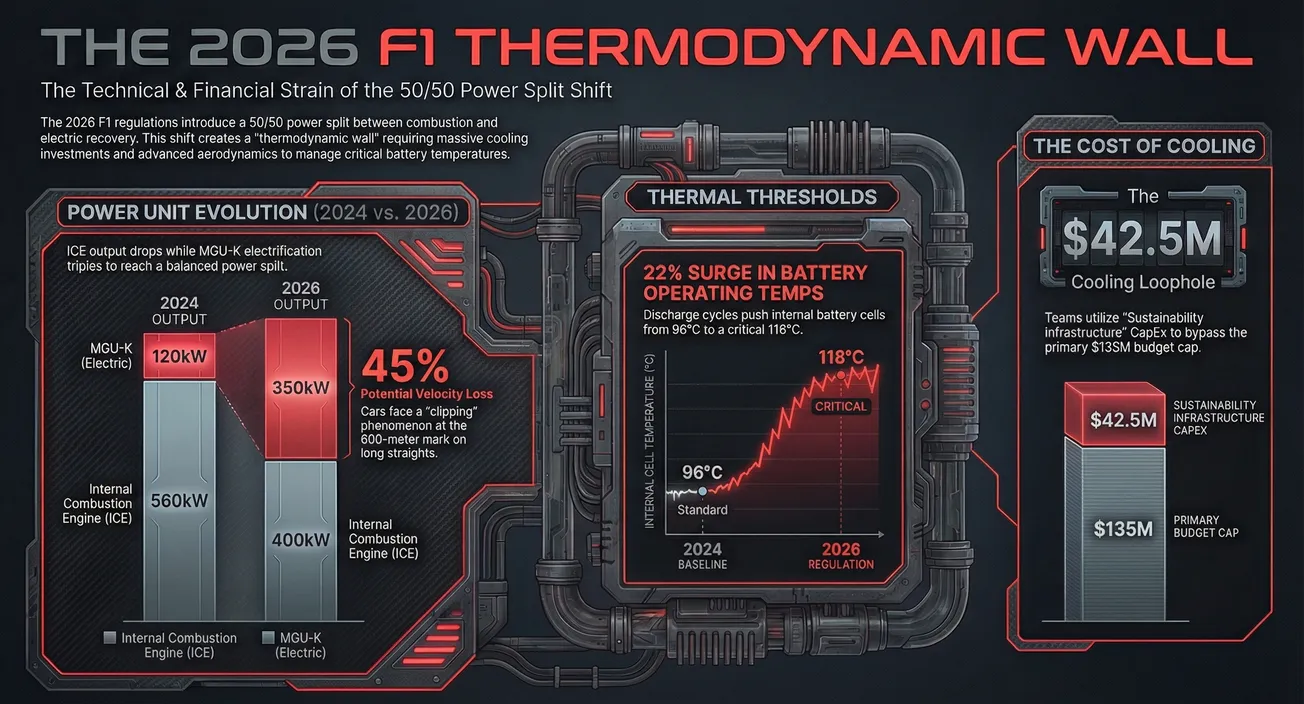
2026 regs force a 50/50 power split. Teams face a 115% R&D cost hike and 118°C battery peaks, demanding $42.5M in new cooling infrastructure.
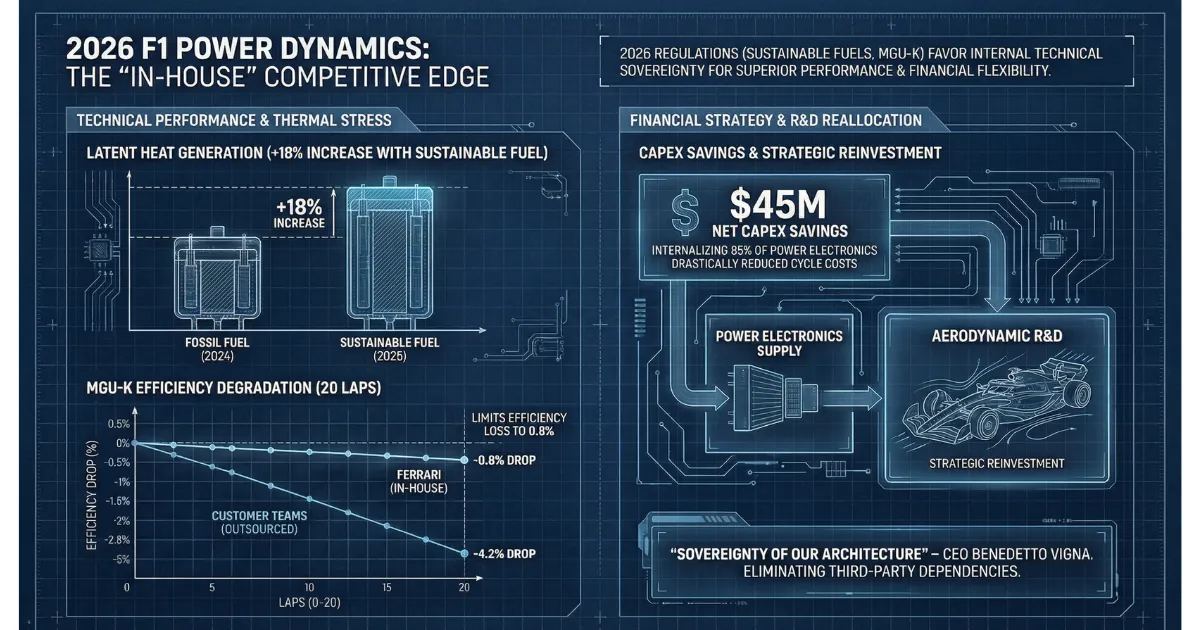
Ferrari leverages vertical integration to curb 2026 thermal risks. We analyze MGU-K variance and CapEx efficiency in the sustainable fuel era.
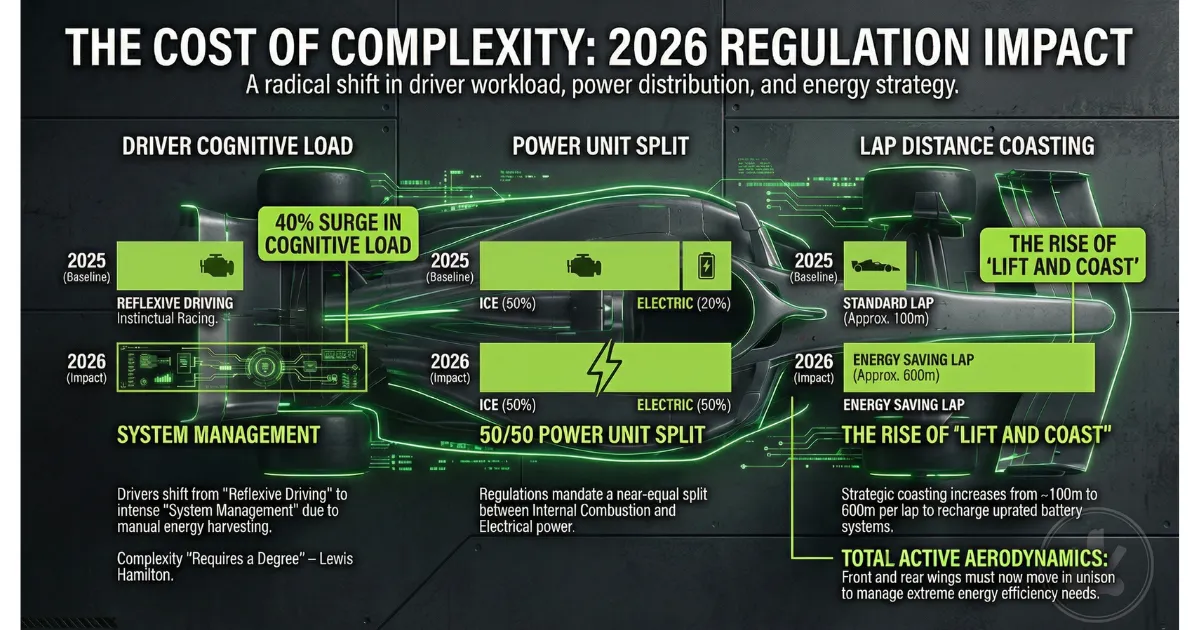
As Lewis Hamilton calls new Formula 1 rules "ridiculously complex", we analyze the 2026 CapEx shift, active aero costs, and the hybrid energy ROI.
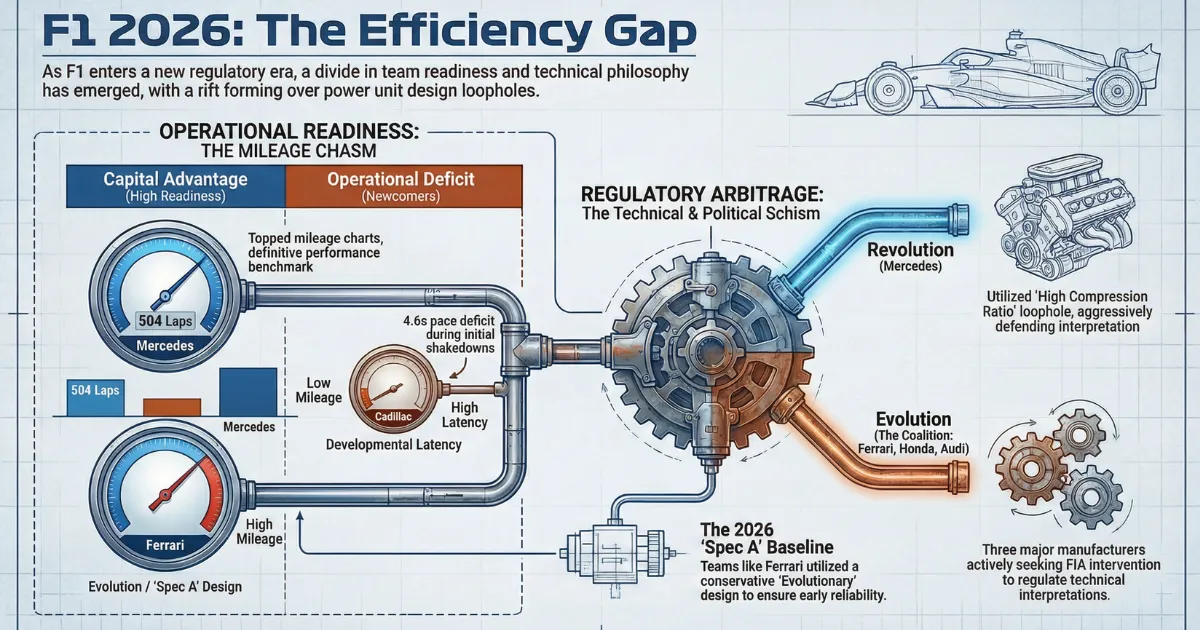
F1 2026 pre-season testing begins in Bahrain, revealing a high-stakes battle of regulatory arbitrage, compression ratio loops, and CapEx warfare.
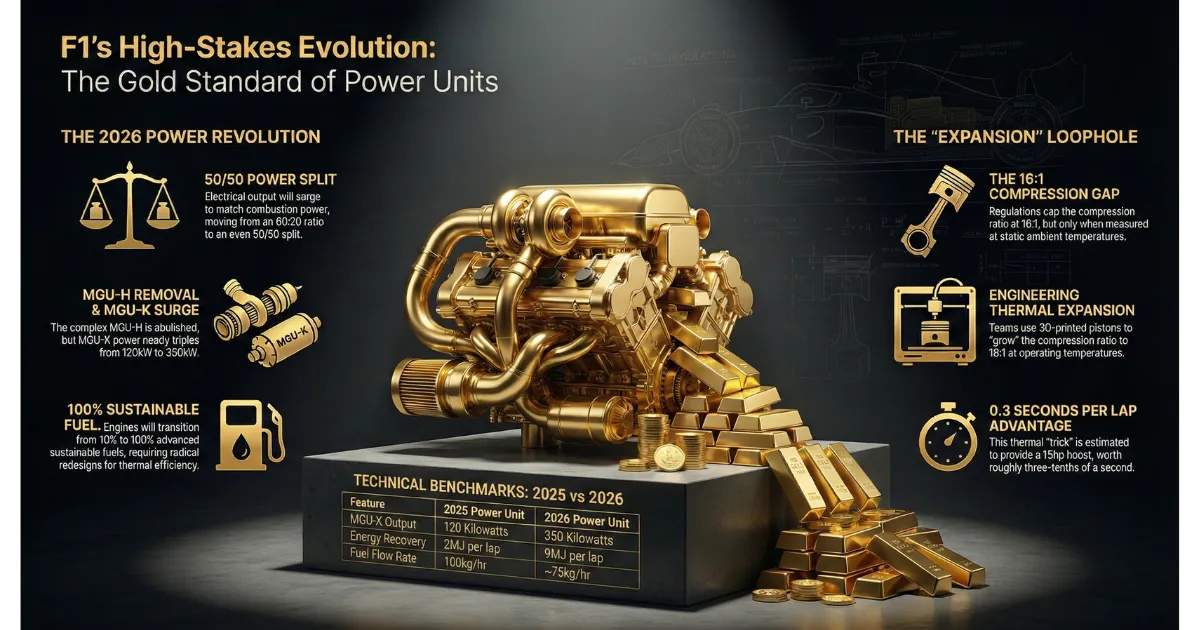
We are witnessing a new war of "grey areas," focused not on aerodynamics, but on the microscopic thermal dynamics of metallurgy.
Technical investigation into the Mercedes W17 engine row. Explaining the thermal expansion loophole, compression ratio regulations, and the 2026 power advantage.