
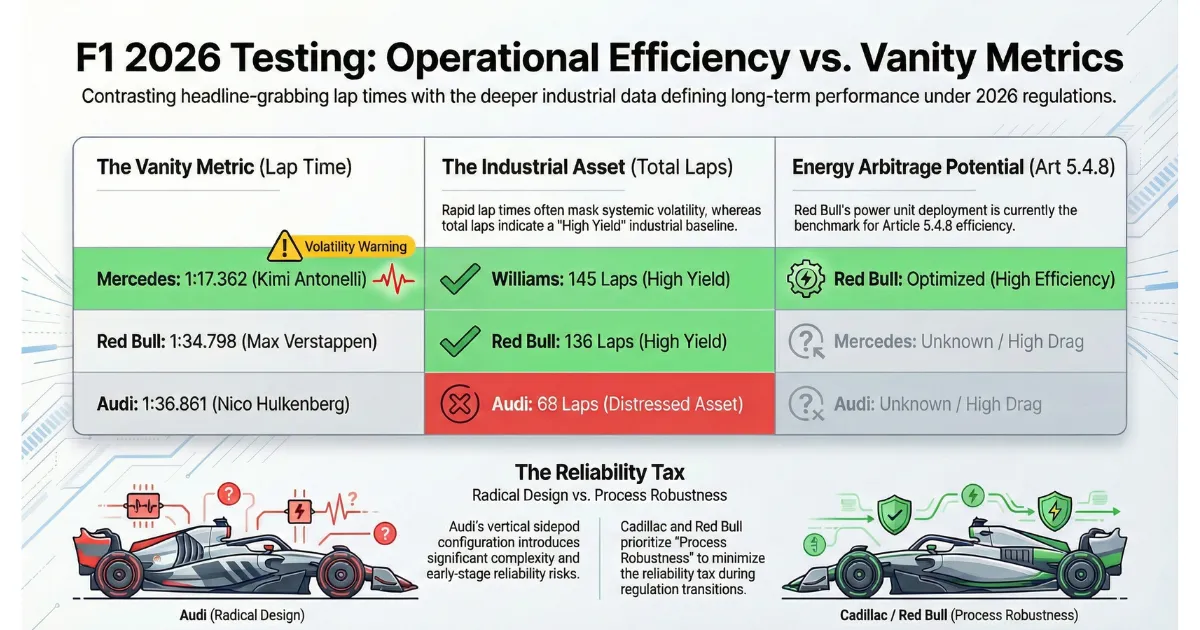
F1 2026 Testing Results: The Reliability Tax and Energy Derivatives
PaddockIntel analyzes F1 2026 testing results. Red Bull's energy ROI vs Audi's reliability tax reveals the hidden economics of the new regulation.
Mercedes F1 business analysis covering team economics, operational strategy, power unit development, and competitive positioning.
PaddockIntel analyzes F1 2026 testing results. Red Bull's energy ROI vs Audi's reliability tax reveals the hidden economics of the new regulation.
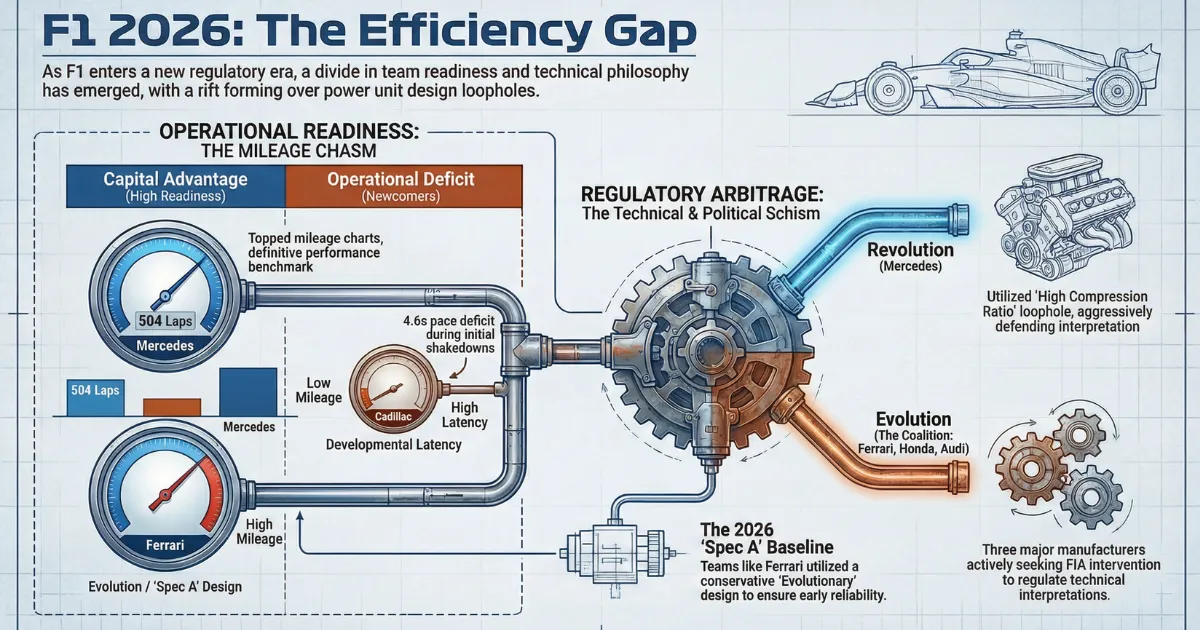
F1 2026 pre-season testing begins in Bahrain, revealing a high-stakes battle of regulatory arbitrage, compression ratio loops, and CapEx warfare.
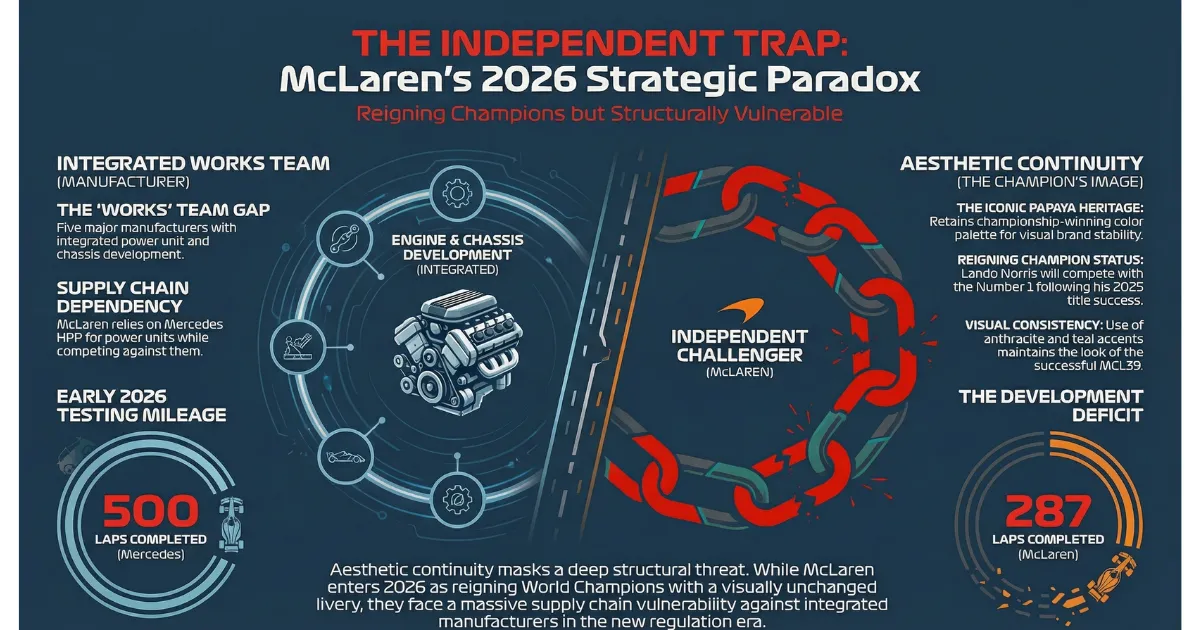
Deep dive into McLaren's 2026 strategy, the Mercedes PU integration gap, and why the MCL40 faces a critical supply chain disadvantage against works teams.
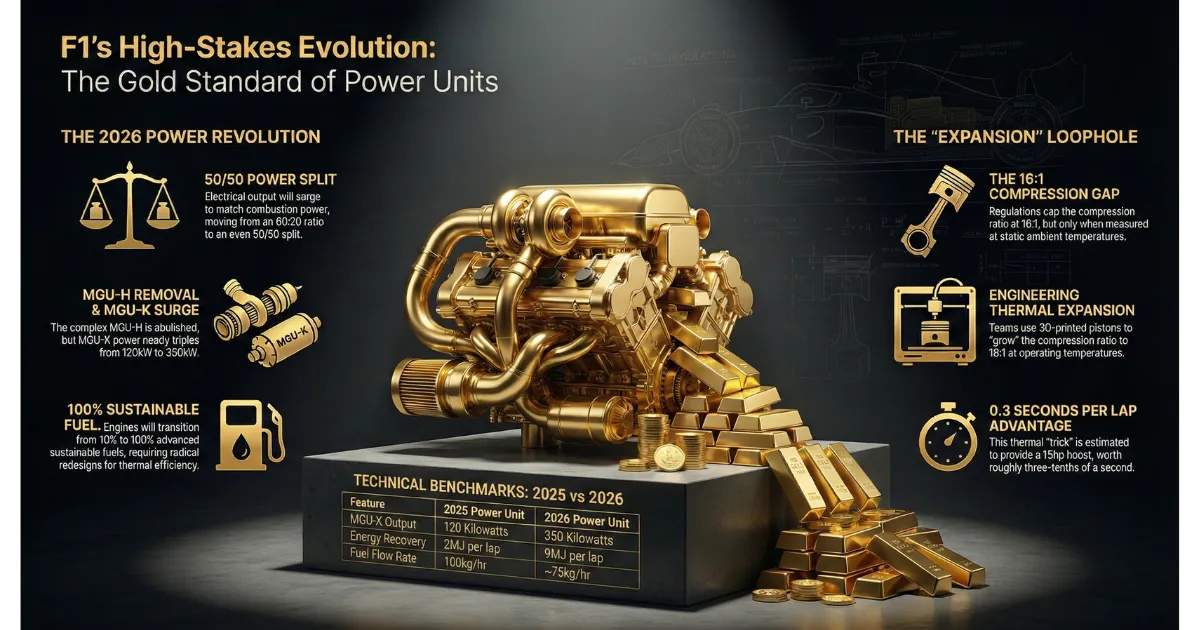
We are witnessing a new war of "grey areas," focused not on aerodynamics, but on the microscopic thermal dynamics of metallurgy.
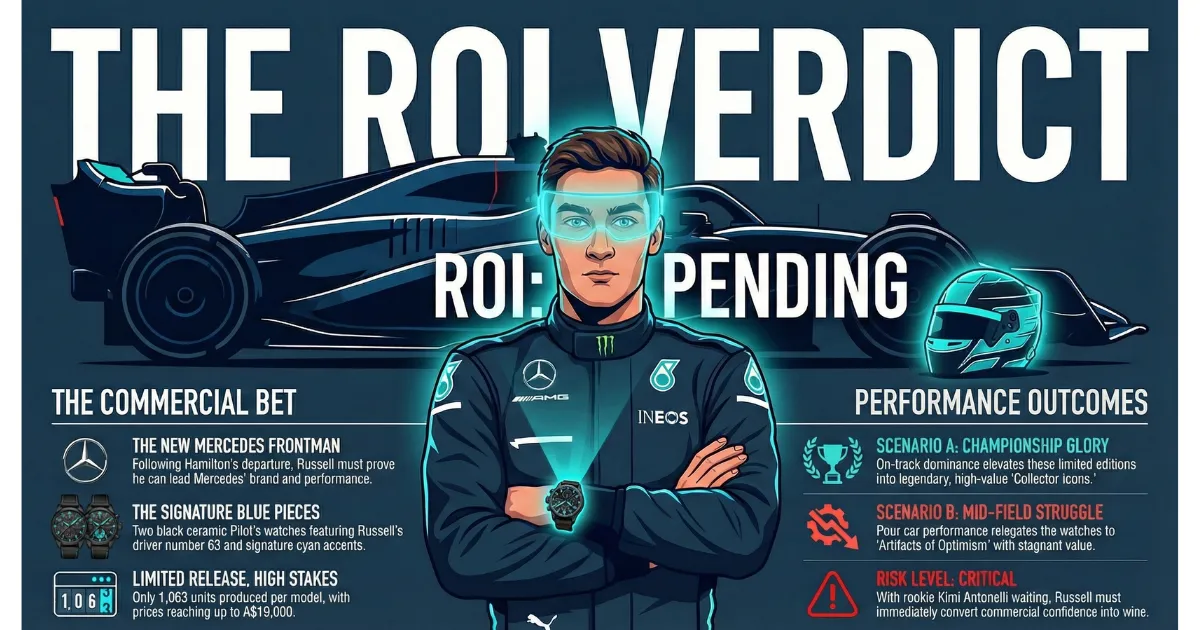
This is not merely a merchandising exercise; in the high-stakes world of F1 business intelligence, it is a declaration of territory.
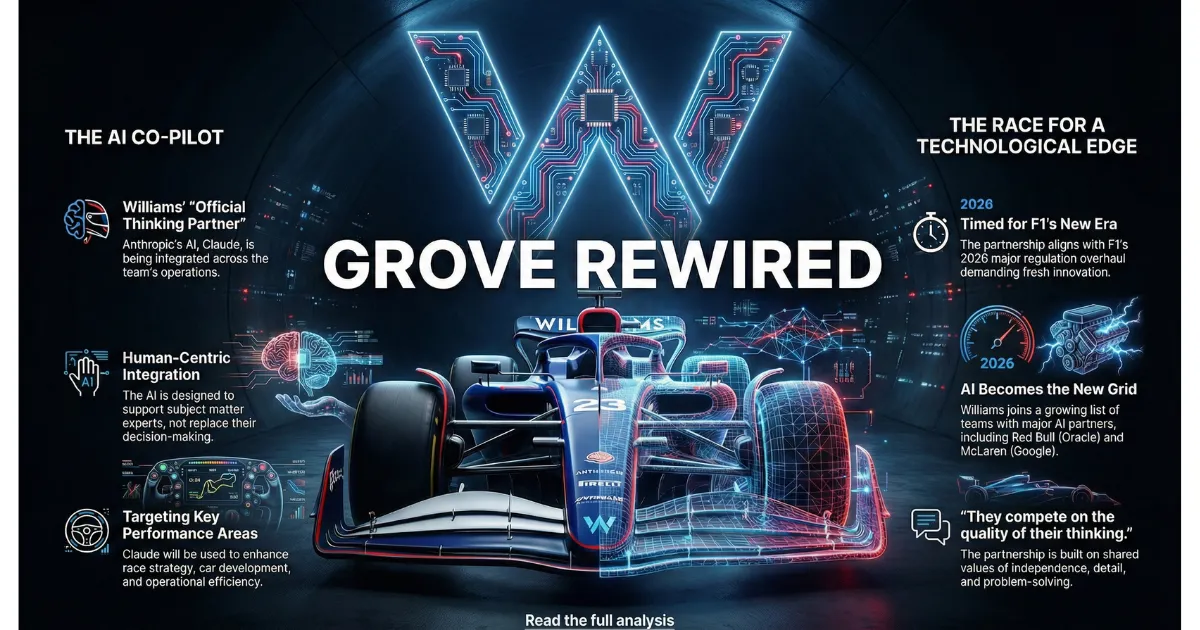
Technical investigation into the Mercedes W17 engine row. Explaining the thermal expansion loophole, compression ratio regulations, and the 2026 power advantage.
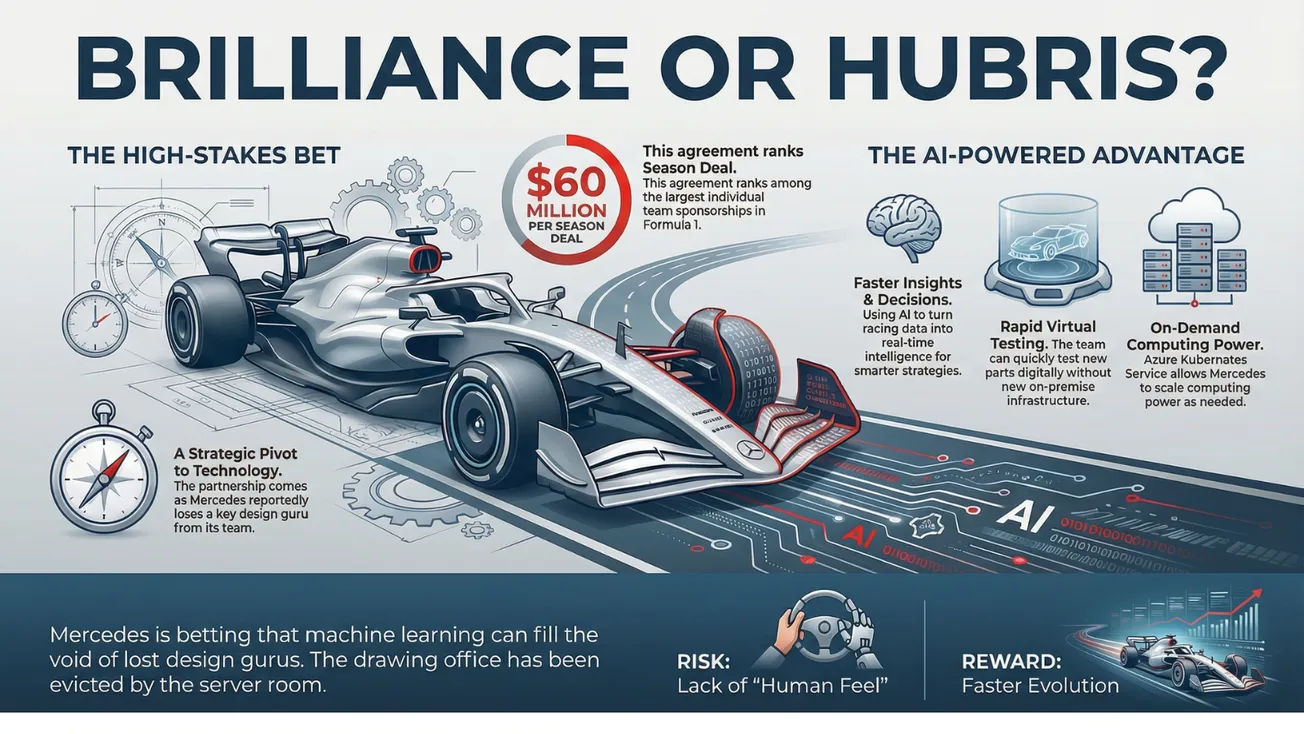
Analyze the $60M Mercedes-Microsoft partnership. How Azure AI and real-time simulations optimize supply chain efficiency under F1’s strict 2026 financial rules.
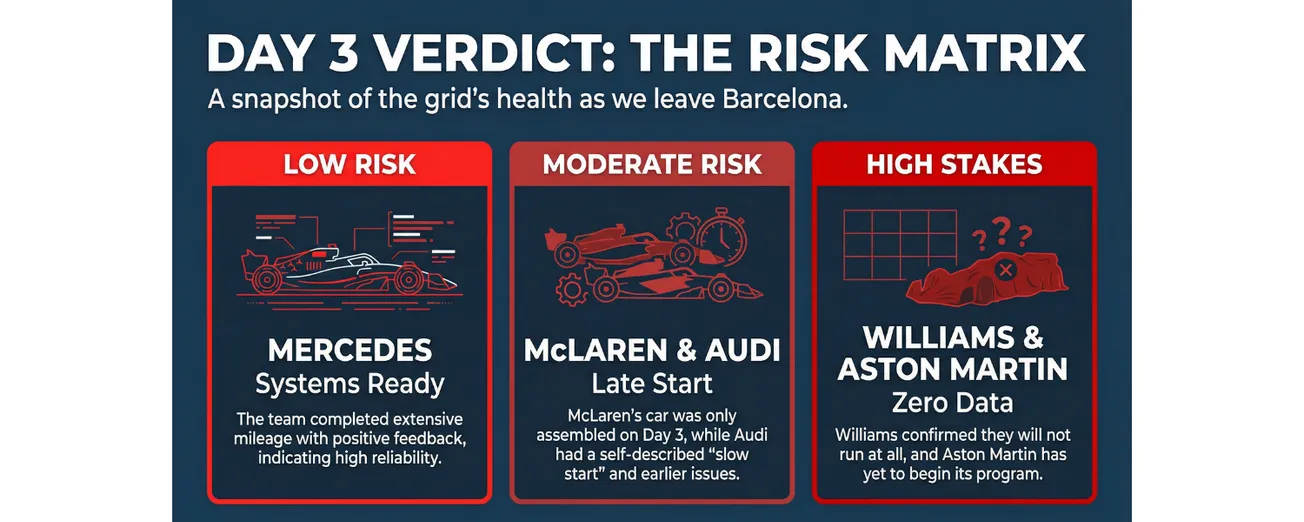
Analyzing the F1 2026 regulatory shift: 100% sustainable fuels, the removal of MGU-H, and the 350kW electric boost. What the Barcelona shakedown revealed.