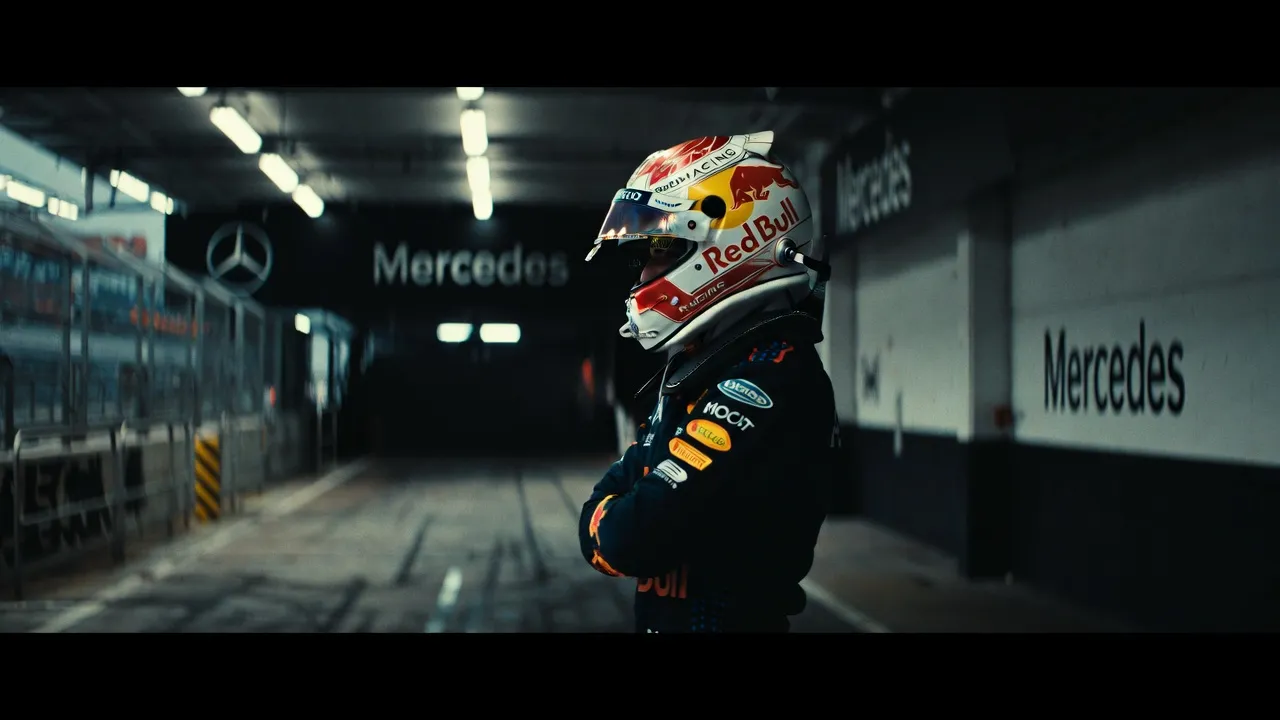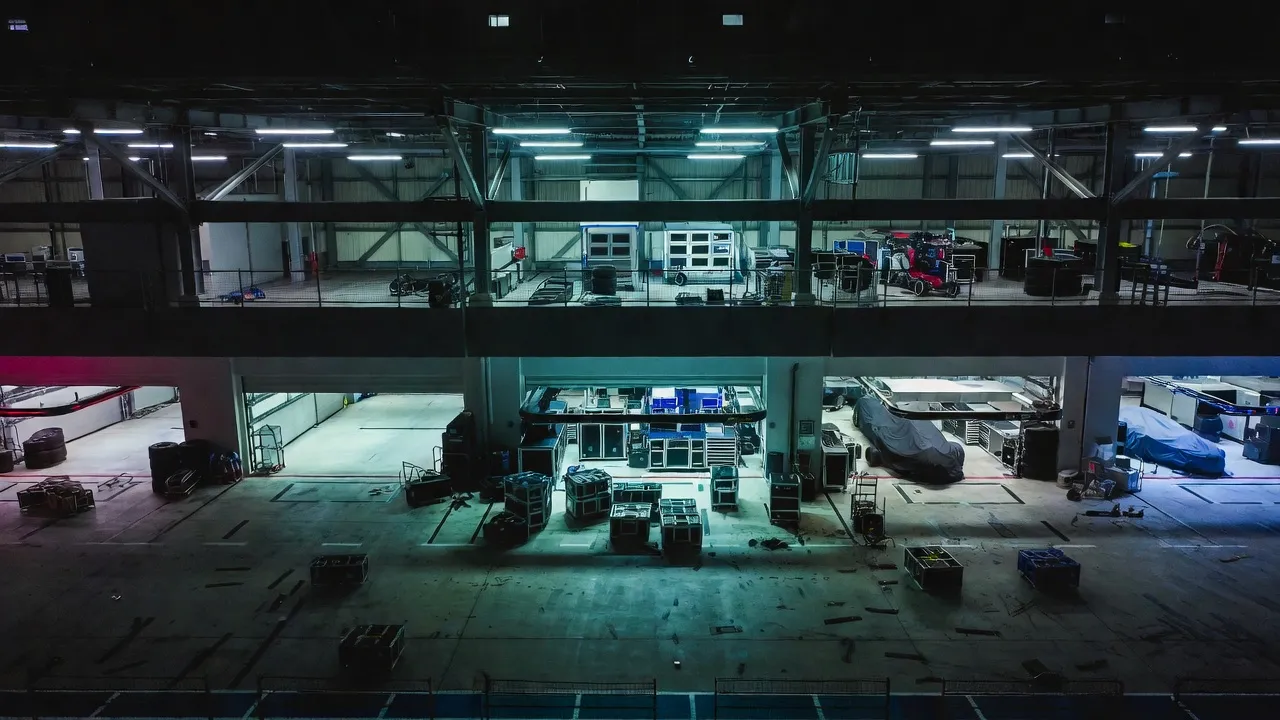
The second morning of the 2026 pre-season testing at Barcelona carried that peculiar, clinical atmosphere that has come to define the modern "closed-doors" era. The circuit, stripped of its usual grandstand clamour, offered only the muffled thrum of the experimental 2026 power units and the smell of damp asphalt as the Catalan sky threatened rain. The morning's rhythm was punctuated by the sharp intrusion of a red flag—Max Verstappen’s Red Bull coming to a halt, a reminder that even the reigning masters of the technical era are not immune to the teething pains of a radical regulatory shift.
As the session resumed, the Mercedes W17 emerged from the garage with a deliberate lack of ceremony. To the seasoned observer, the car’s silhouette was less interesting than the fresh livery adornment. The airbox, a prime piece of carbon-fibre real estate previously occupied by Ineos, now bore the unmistakable logo of Microsoft. In a paddock where every sticker is a declaration of war, this was no mere aesthetic choice; it was the first public sighting of a massive technological pivot disguised as a sponsorship deal.
A Sixty-Million Dollar Sticker
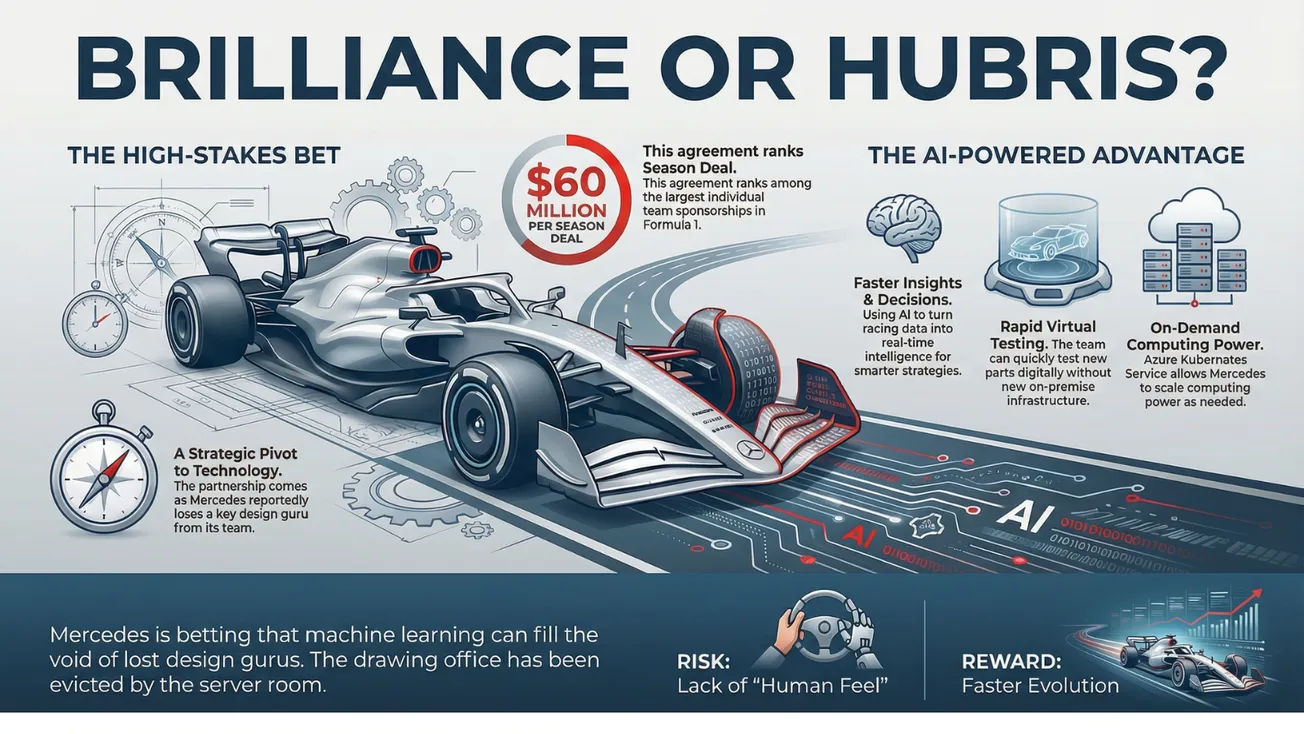
The scale of the arrangement is, by any metric, substantial. Reports suggest the partnership is valued at approximately US$60 million per season. In the high-stakes economy of the pit lane, this represents the third-largest deal currently in operation. While Mercedes may have lost its long-standing status as the undisputed benchmark on track, it remains a commercial juggernaut, having the honour of securing one of the sport's most lucrative technical alliances just as the 2026 revolution commences.
Top-Tier F1 Technical and Title Partnerships
Partner | Team | Annual Value Context |
Petronas | Mercedes | Primary Technical Partner |
Oracle | Red Bull | Title Sponsorship & Infrastructure |
Microsoft | Mercedes | US$60 Million Technical Alliance |
The branding, while prominent on the cars driven by George Russell and the young Italian debutant Andrea Kimi Antonelli, is merely the public face of an expansive integration. This is more than a "sticker on a nosecone" exercise; it is an attempt to solve an engineering crisis with a chequebook.
Deep Analysis: The Computational Advantage
Beyond the marketing optics, the partnership is built upon the integration of Microsoft’s Azure platform and the Azure Kubernetes Service (AKS). While the official press releases speak of "smarter collaboration" and "faster insights," the reality of the 2026 regulations suggests a more cynical, and far more brilliant, motivation.
What they’re not saying is that this is a sophisticated exercise in regulatory arbitrage. Under the current FIA financial regulations, Capital Expenditure (CapEx) on physical infrastructure—such as on-premises server farms—is strictly limited and heavily scrutinised. However, by offloading their computational needs to the cloud, Mercedes can engage in what is essentially off-balance-sheet R&D.
Using AKS to scale computing power according to demand allows the team to bypass the physical limitations of the budget cap. It is accounting gymnastics at its finest: converting what would be restricted capital assets into operational expenditure (OpEx) through a technical partner. In an era where the drawing office is increasingly restricted by the price of electricity and silicon, Mercedes has found a way to scale its intelligence without alerting the auditors.
Historical Context: The Ghosts of Enstone and Banbury
It’s worth remembering that Microsoft is no stranger to the F1 paddock, though its previous involvements were far more modest branding exercises. We have seen this before, notably during the Enstone team's various guises. Microsoft Dynamics and Lumia branding—complete with those signature four coloured squares—once adorned the monocoques of Lotus and the early Renault-era cars.
There was even the fleeting, somewhat absurd appearance of the Microsoft brand on the engine cover of the 2016 Manor. It was a partnership that always felt slightly mismatched: a multi-trillion-dollar software empire appearing on a car that struggled to remain within the 107% qualifying rule. These were superficial branding exercises of the previous decade. The shift to Brackley represents a move from being a billboard to becoming a structural component of the team's intellectual property.
The Silicon Paddock
The impact of this deal reverberates through the paddock, confirming the arrival of a "Silicon Paddock" where the technical race is won in the server room before the tyres even touch the tarmac.
- The Winners: Mercedes secures a massive financial windfall and a sophisticated AI infrastructure to mitigate the "major blow" of losing a key design guru recently. If human intuition is leaving the building, Mercedes hopes machine learning can fill the void. For Russell and Antonelli, the technology promises a car that evolves faster than the competition.
- The Field: An arms race has been formalised. Red Bull remains tethered to Oracle, while McLaren has entrenched itself with Google’s Gemini platform and Dell. Ferrari has sought its own tech trinity through HP, IBM, and AWS.
- The Stakes: This is no longer just about who has the best wind tunnel; it is about who has the best algorithms to interpret the data the tunnel produces.
The 2026 Loophole
Rumours have persisted for months regarding a supposed power advantage found within the Mercedes 2026 engine programme. In the paddock, whispers of a "loophole" in the new regulations—specifically regarding fuel flow maps and energy recovery deployment—are frequent. The timing of this Microsoft deal is unlikely to be coincidental; AI is the perfect tool for finding the "grey areas" in complex software-driven regulations.
Crucially, early gossip from the Barcelona test suggests the W17 is already resolving a "big question mark" that had plagued the team. The car is reportedly feeling better on track than it ever did in the simulator—a rare discrepancy that suggests the Azure-backed data processing is finally aligning virtual predictions with Catalan reality. If the Microsoft partnership allows for faster iteration of engine mapping, the rumoured "power advantage" may soon become a grim reality for the rest of the grid.
Conclusion: Brilliance or Hubris?
Whether this US$60 million investment represents the final piece of the 2026 puzzle or a high-priced distraction remains a matter for debate. Mercedes has spent the last few seasons in a relative wilderness, and while their commercial acumen remains top-tier, the loss of senior design talent is a variable that no amount of cloud computing can entirely erase. It is an ambitious bet: that silicon can replace the "feel" of a master designer.
The true test will be whether this digital infrastructure can be successfully converted into silverware, or if it simply provides a more expensive way to simulate the same frustrations. In Brackley's new world, the drawing office has been evicted by the server room; whether a computer can win a World Championship remains a question the simulator cannot yet answer.