The Efficiency of the W17 Platform
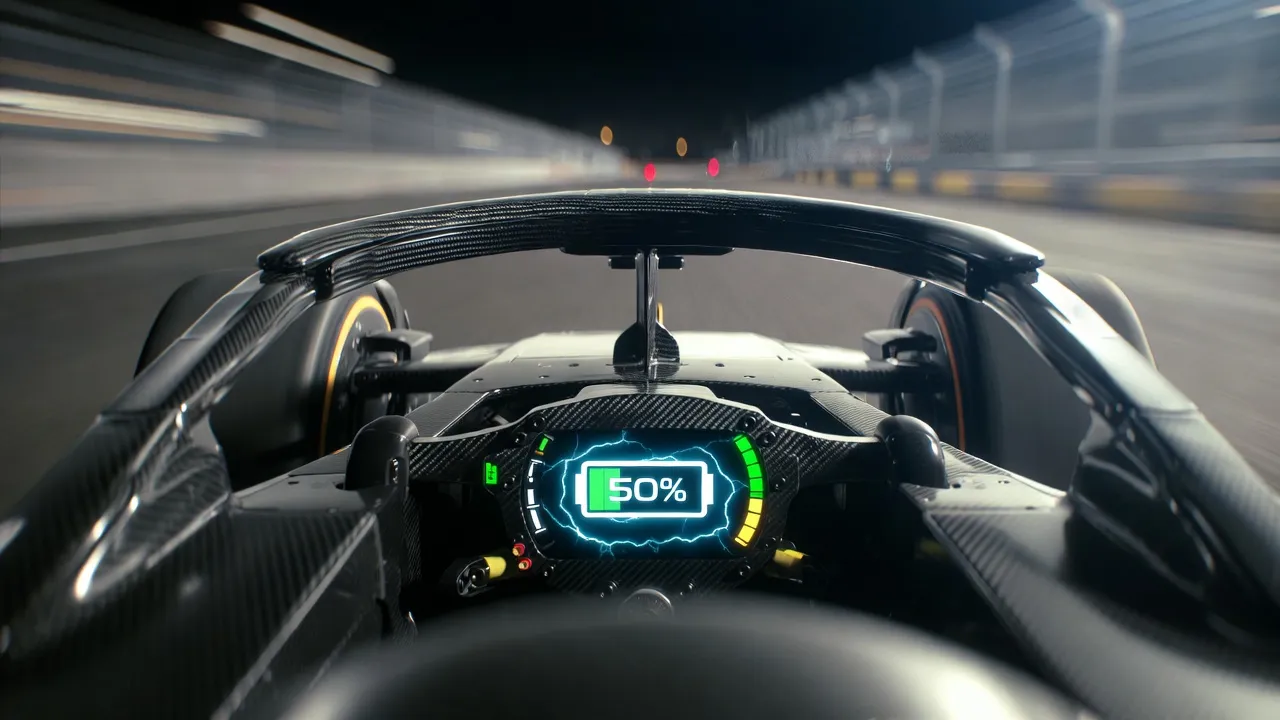
Mercedes’ decision to hand the final representative session to Kimi Antonelli paid immediate dividends. With a lap of 1m 32.803s, Antonelli didn't just top the charts; he demonstrated the W17's superior energy deployment. While McLaren and Red Bull chased performance, Mercedes focused on a "trouble-free" recovery, clocking 157 combined laps between Russell and Antonelli. This efficiency suggests that, while Zak Brown labels them as part of the "Big Four," Mercedes might currently have the most stable hybrid integration on the 2026 grid.
01 // Paddock Pecking Order
DAY 2 INTELFerrari's Active Geometry Gamble
The visual highlight of Day 2 was undoubtedly Lewis Hamilton's Ferrari SF-26 sporting a rotating rear wing element. By flipping the wing segment in straight-line mode, Ferrari is testing the boundaries of "Active Aero" under the 2026 regulations. Despite a slow start with only 5 laps in the morning, Hamilton recovered to finish P4, proving that the "DNA" of the car—focused on stability—remains intact even when running radical experimental parts. This "flip" wing aims to solve the drag-to-downforce ratio that will define the 2026 championship.
02 // Ferrari Active Geometry
The SF-26 uses a rotating secondary element to manage the interaction between the beam wing and the exhaust flow.
The Reliability Chasm: Red Bull vs. Aston Martin
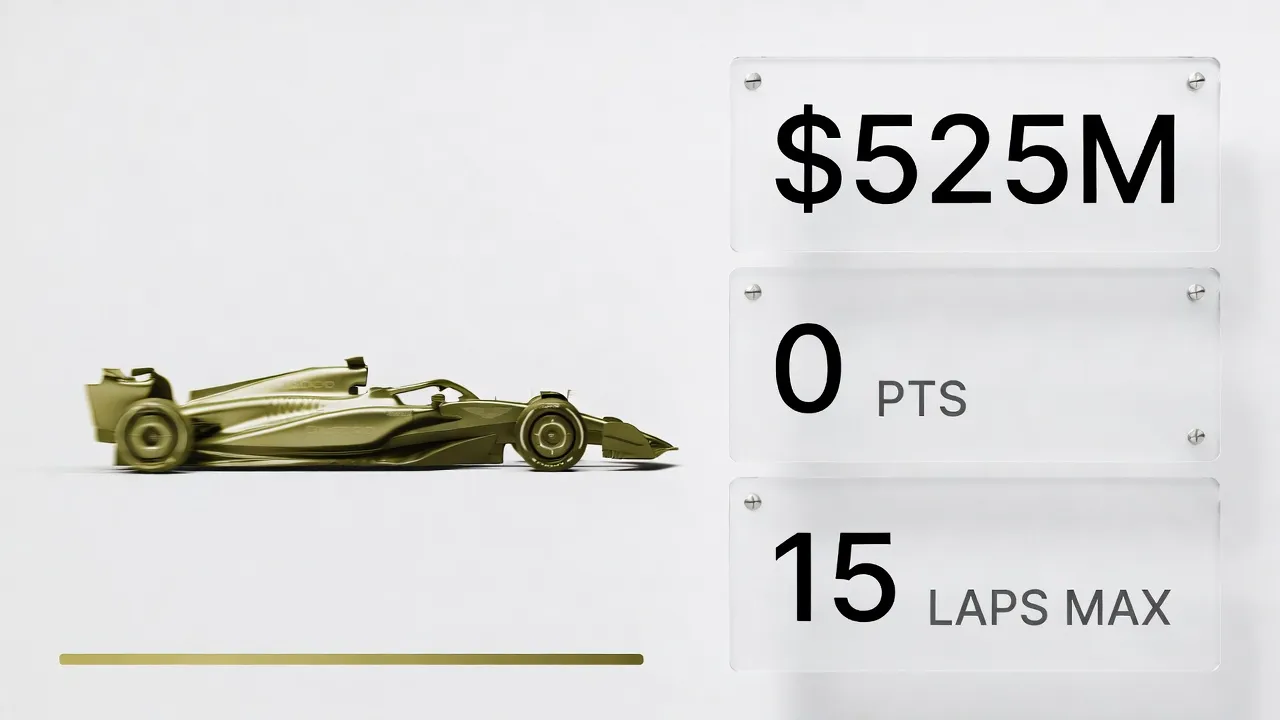
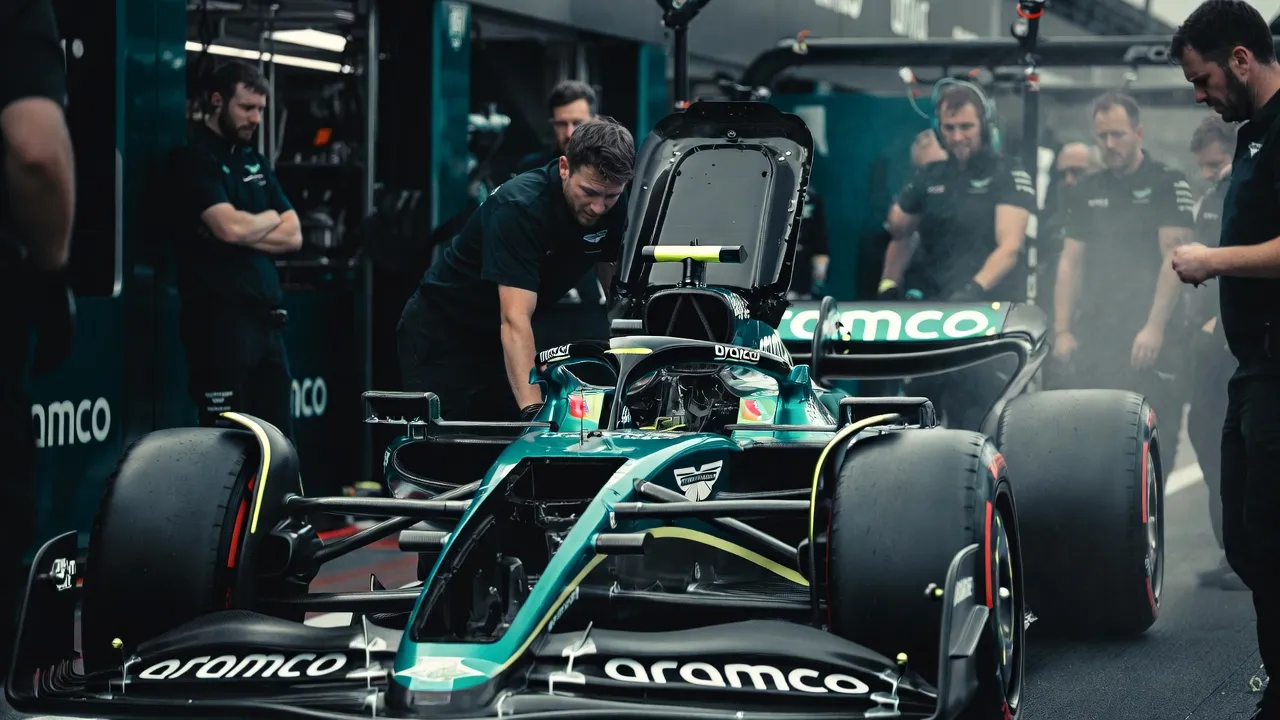
If mileage is the currency of testing, Max Verstappen is the wealthiest man in Sakhir. Clocking a massive 139 laps on Day 2, Red Bull displayed a terrifying level of mechanical resilience. In stark contrast, Aston Martin’s struggles reached a critical point. Fernando Alonso was forced to stop on track due to a Honda Power Unit issue, ending his pre-season with only 68 laps. For Paddock Intel, this divergence in "Kinetic Reliability" indicates that the midfield-to-top transition remains a steep hill for those struggling with PU integration.