The biting chill of a Catalan dawn provided a visceral introduction to Formula 1’s newest era on Wednesday. As the paddock collective gaze pivoted toward the Circuit de Barcelona-Catalunya for Day 3, track temperatures hovered at a perishing 2 degrees Celsius. George Russell, a veteran of many a winter test, remarked it was perhaps the coldest surface he had ever encountered in a Grand Prix car. This frost served as more than a seasonal inconvenience; it was a clinical metaphor for the 2026 regulations—a harsh, unforgiving environment where the comfort of previous technical knowledge has been utterly stripped away.
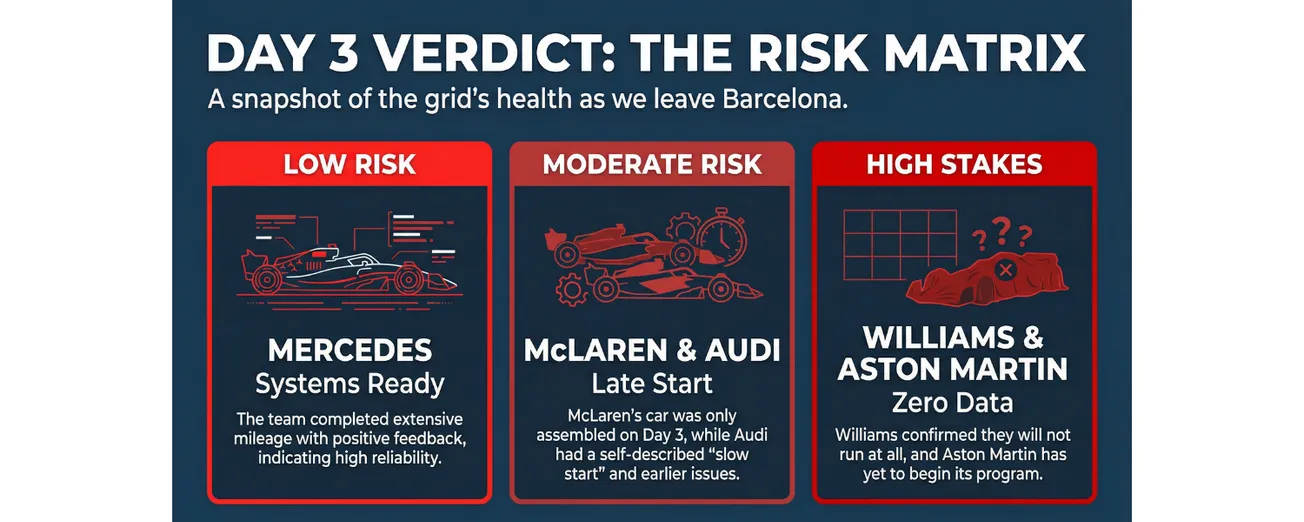
Inside the @McLarenF1 garage, the atmosphere hummed with the frantic, calculated energy of a team chasing the clock. The MCL40, bearing the #1 plate of reigning World Champion Lando Norris, was quite literally being built as the morning session commenced. It was not until the midway point of the morning that the car finally emerged for its maiden installation lap. In this new era, even the champions are finding that moving from CAD designs to physical carbon fibre is a monumental undertaking.
The Surface Story: Mid-Week Productivity
As the five-day shakedown crossed its meridian, the narrative shifted from survival to the heavy lifting of data accumulation. While some struggled to find the ignition, others began to peel back the first layers of their 2026 programmes.
• @MercedesAMGF1 : The Silver Arrows appeared the most settled, with George Russell and Kimi Antonelli sharing the cockpit to rack up "huge mileage." Antonelli’s afternoon race simulation suggested a car with foundational reliability.
• @redbullracing : Rookie Arvid Lindblad enjoyed a seamless debut, clearing his programme without a hint of technical theatre—a significant early win for the Red Bull Powertrains and Ford partnership.
• @revolutaudi : Nico Hulkenberg’s first outing under the four rings was a tale of two halves. A "slow start" hampered the morning, but a productive afternoon allowed the veteran to finally begin his "long road" of data collection.
• @AlpineF1Team & @HaasFactoryTeam : A day for the youth and the experienced. Following morning runs from Ollie Bearman (Haas) and Franco Colapinto (Alpine), Pierre Gasly took over for the Enstone-based squad to sample Mercedes power for the first time.
Deep Analysis: The Complexity Gap
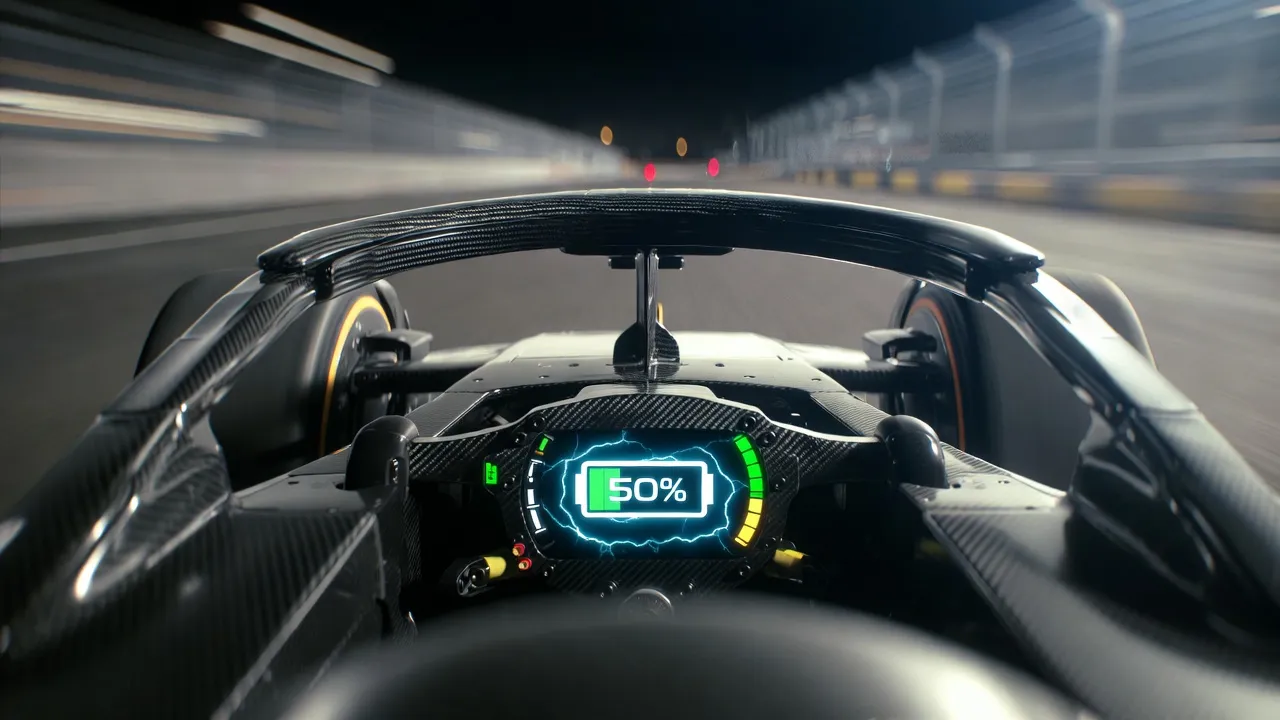
The feedback from the cockpit confirms that 2026 is an "open-book test" for which many teams haven't yet found the right page. Lando Norris noted a "step slower" cornering speed—an expected consequence of reduced downforce—contrasted against a violent surge in straight-line acceleration and battery deployment. The challenge, however, is less about the steering wheel and more about the "manual" hidden within the systems.
The true barrier to entry is the "Complexity Gap." On a 2-degree morning, a minor glitch is no longer a minor delay. Ollie Bearman’s assessment of a morning technical hiccup was particularly illuminating:
"The problem we have that would have taken maybe 30 minutes with last year’s car, since everybody knew it so well, took a lot longer just because there are a few more intricate details and there’s just so much more to the power unit compared to what we’ve been used to."
This intricacy defines the Alpine transition. For Pierre Gasly, the shift to Mercedes power units represents a tectonic break from his career-long references. He noted that "everything feels different," suggesting that for teams switching suppliers, the 2026 reset is not a step forward, but a total departure into the unknown. Mastering the "new bits and procedures" is currently more valuable than any headline lap time.
Historical Precedent: The Risk of the Late Start
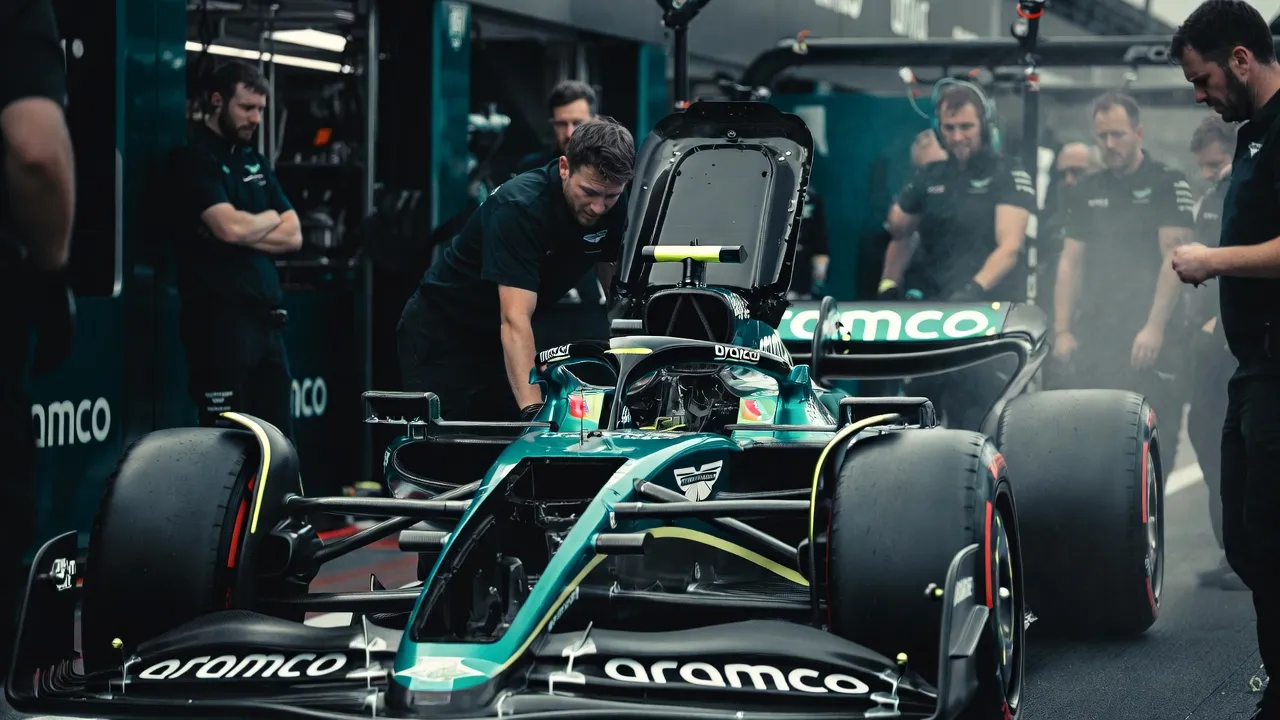
The paddock is currently bifurcated by strategy. On one side are the "mileage earners," like Mercedes and Racing Bulls; on the other, the "observers." Aston Martin has remained resolutely in the garage, gambling on a late-week appearance, while Williams has opted to bypass Barcelona entirely.
James Vowles has been quick to reassure that the Williams challenger has "passed all crash tests," but passing a laboratory impact test is a world away from mastering the intricate battery management systems Norris described. History is littered with teams that prioritised factory time over track debugging, only to arrive at the first race buried in the "manual." By skipping the shakedown, Williams is effectively attempting to sit the final exam in Bahrain on February 11 without having attended a single lecture.