Efficiency is the New Downforce: Lessons from Bahrain Test 1
The first 2,100 minutes of the 2026 era have concluded in Sakhir, and the data reveals a grid divided not by aerodynamics, but by Thermal Management Sovereignty. While headlines focus on lap times, the true narrative lies in the mileage delta between the top and bottom of the table.
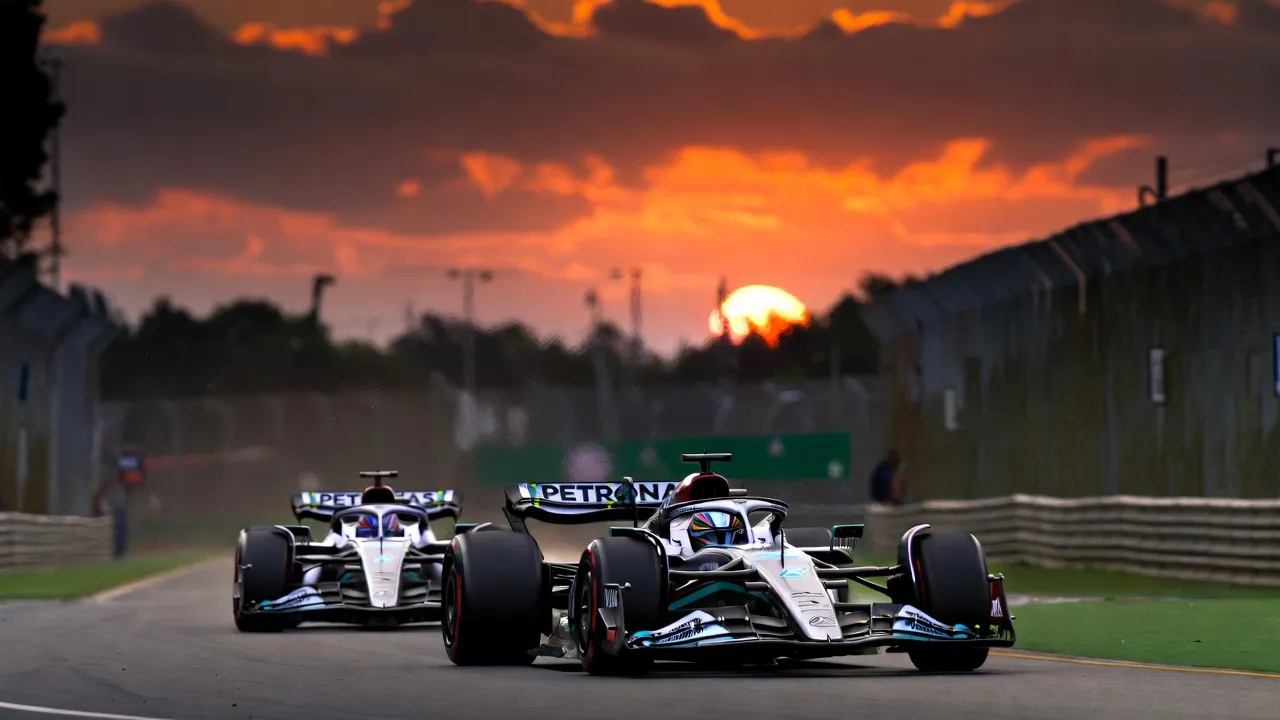
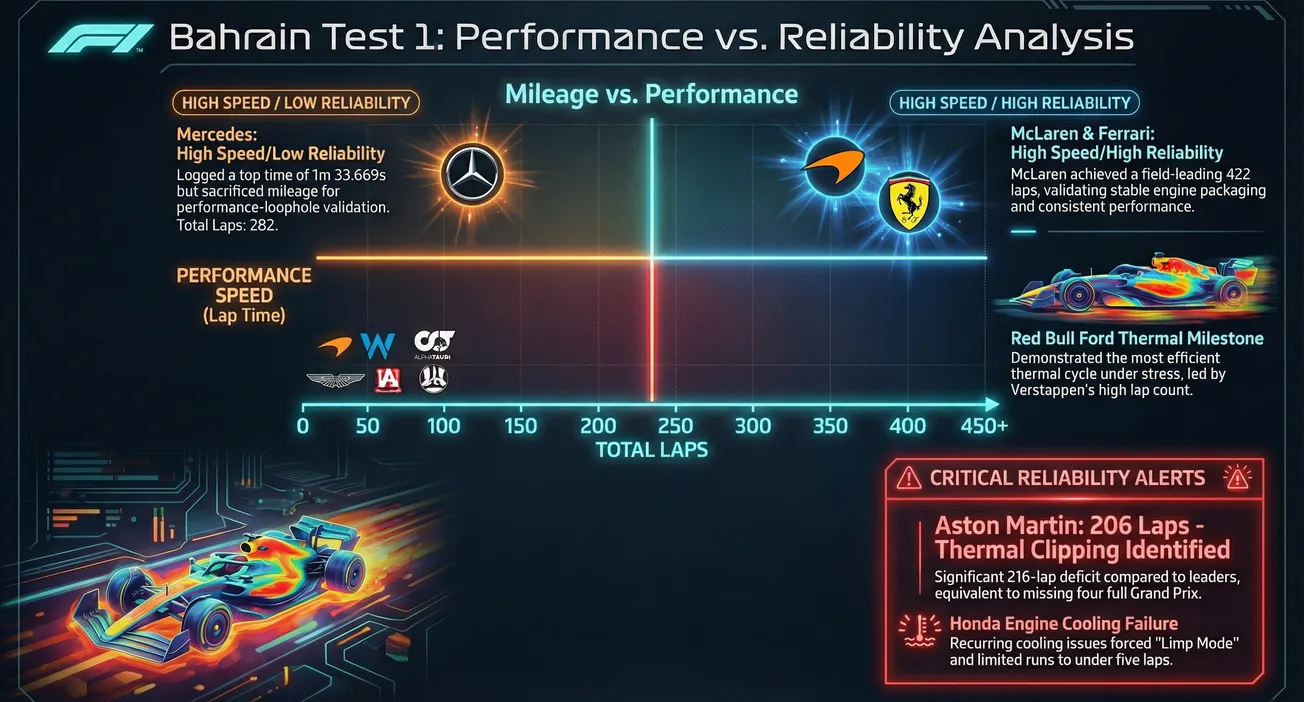
The Mercedes Illusion? Kimi Antonelli stopped the clocks at 1m 33.669s, the fastest lap of the week. However, Mercedes covered only 282 laps—33% less than McLaren. This suggests a "Qualifying-Trim" focus to validate their controversial inverter loophole, potentially masking a deficit in long-run energy recovery stability.
The Red Bull-Ford Milestone Completing 343 laps with a virgin Power Unit (PU) architecture is a victory for Milton Keynes. The Red Bull-Ford PU demonstrated the most consistent State of Charge (SoC) retention during Day 3 simulations, positioning them as the benchmark for operational reliability.
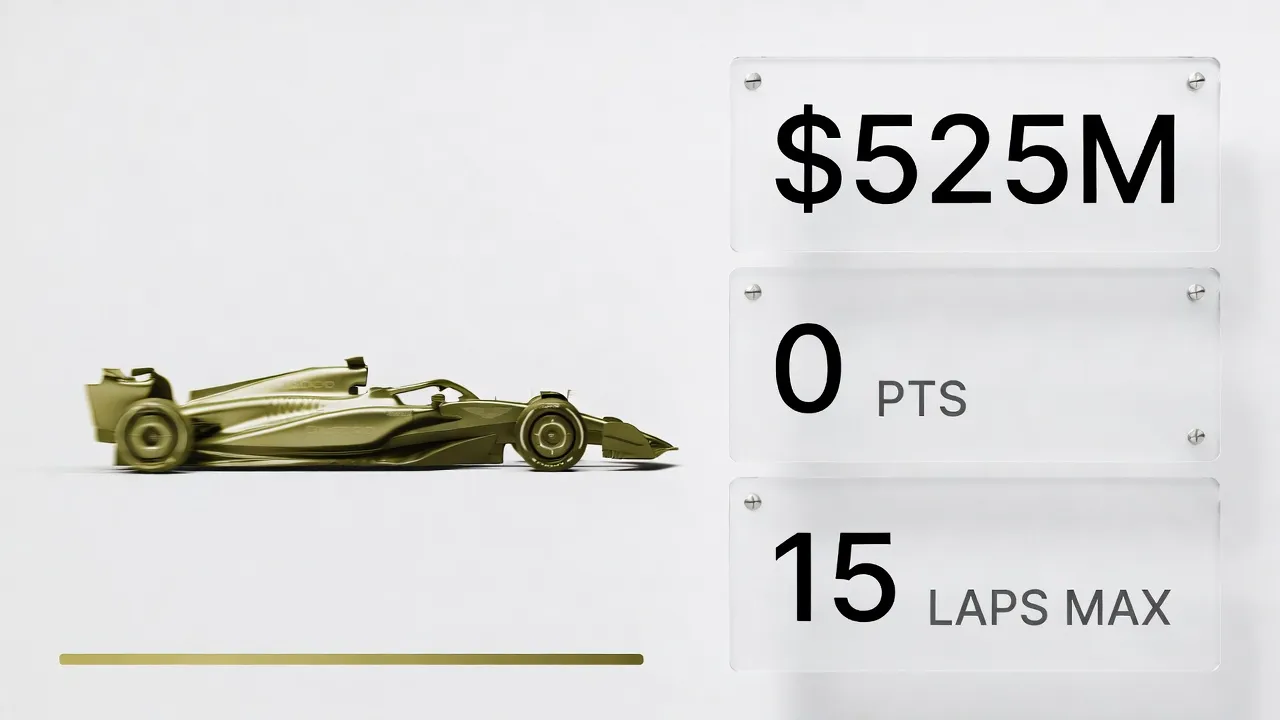
The Aston Martin Crisis With only 206 laps, Aston Martin is in the "Red Zone." The AMR26 is suffering from ERS-K Thermal Saturation. Every 5 laps, the system requires a "Cooldown Phase," losing nearly 1.2s per lap in clipping. Under the current Cost Cap, fixing this cooling integration could cost up to $8.5M in CapEx, cannibalizing their mid-season aero development fund.
| Team | Total Laps | Fast Lap | Reliability Index | Technical Focus |
| McLaren | 422 | 1:34.549 | 10/10 | System Integration |
| Ferrari | 420 | 1:34.209 | 9/10 | Mechanical Grip |
| Red Bull | 343 | 1:34.798 | 8/10 | PU Thermal Mapping |
| Mercedes | 282 | 1:33.669 | 6/10 | Peak Deployment |
| Aston Martin | 206 | 1:38.248 | 2/10 | Cooling Emergency |