FP2 Result: P20 Alonso (+4.933s, 18 laps) · P21 Stroll (+6.087s, 13 laps)
The gap closed from zero to five seconds. That is not progress — that is survival mode with a countdown attached.
After FP1's total collapse, FP2 delivered something more troubling than zero laps: just enough running to confirm the scale of the problem, and a resource revelation that reframes the entire weekend as a financial emergency.
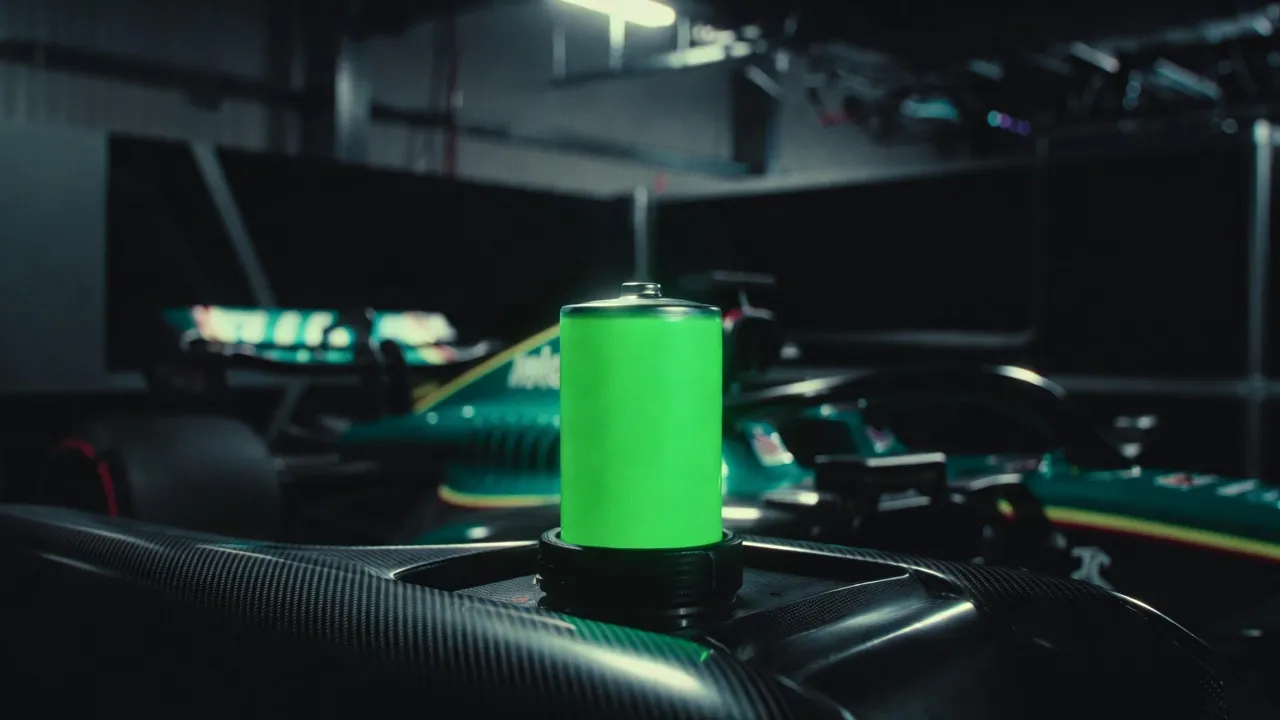
Aston Martin arrived in Melbourne with four Honda batteries. Two failed — one before FP1 even started, triggering Alonso's garage lockout, and a second during the sessions. As of Friday evening, the team has only the two batteries currently installed in the cars. Motorsport Week
When asked whether Honda could fly replacements from Japan in time for qualifying, Newey's answer was unambiguous: "Unfortunately not. There aren't any." PlanetF1
That single sentence carries a cost attached to it. Each battery unit in a 2026 Honda power unit falls under the PU cost cap — further failures will eliminate the team from the first grand prix of the new season entirely. The Race A DNS in Round 1 means zero Constructor points, zero prize money multiplier for Melbourne, and a public optics crisis for a partnership announced as Aston Martin's path back to competitiveness.
Honda's trackside chief engineer Shintaro Orihara offered a cautiously positive note post-FP2, confirming "less battery vibrations" from new data. GPblog It was enough for Alonso and Stroll to complete representative laps. It was not enough to change the strategic calculus for Sunday.
The two remaining batteries are not a racing asset. They are a liability management problem. Every lap from here until lights out on Sunday burns inventory that cannot be replaced.
→ Full financial breakdown of the Aston Martin / Honda crisis: Aston Martin's Honda Crisis Has a Price Tag — and It's Not Just Points